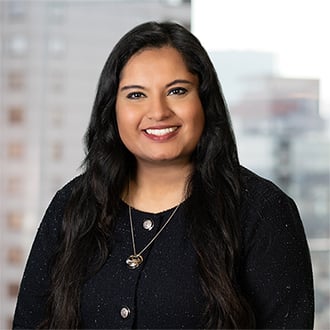
AGG Global Trade & Sanctions attorneys Allison Raley and Nikita Kulkarni co-authored an article for Total Retail discussing how U.S. retailers now face heightened antislavery risk under the Uyghur Forced Labor Prevention Act (“UFLPA”). Allison and Nikita provide key guidance on how companies can ensure compliance within their supply chains.
“Under the UFLPA, any goods with a nexus to China’s Xinjiang Uyghur Autonomous Region or to companies listed on the UFLPA Entity List are presumed to have been made with forced labor,” Allison and Nikita explained. “Once CBP identifies a credible connection, the legal burden shifts entirely to the importer.”
Importers have 30 days to submit “clear and convincing” evidence, which must demonstrate that no forced labor happened throughout any stage of production.
“Oversight doesn’t stop at the border. U.S. Department of Homeland Security, through the interagency Forced Labor Enforcement Task Force, maintains and updates the UFLPA Entity List, expanding enforcement reach across industries and geographies,” Allison and Nikita noted.
Allison and Nikita shared a practical compliance framework for retailers, including mapping supply chains beyond the first tier and screening suppliers for forced labor, maintaining traceable and complete production records, drafting contracts that mandate supply chain transparency and prohibit forced labor, training internal teams on UFLPA requirements and red flag triggers, and engaging external support such as compliance vendors and counsel.
To read the full article, please click here.
Related Services
Related Industries
- Allison E. Raley
Partner
- Nikita R. Kulkarni
Associate